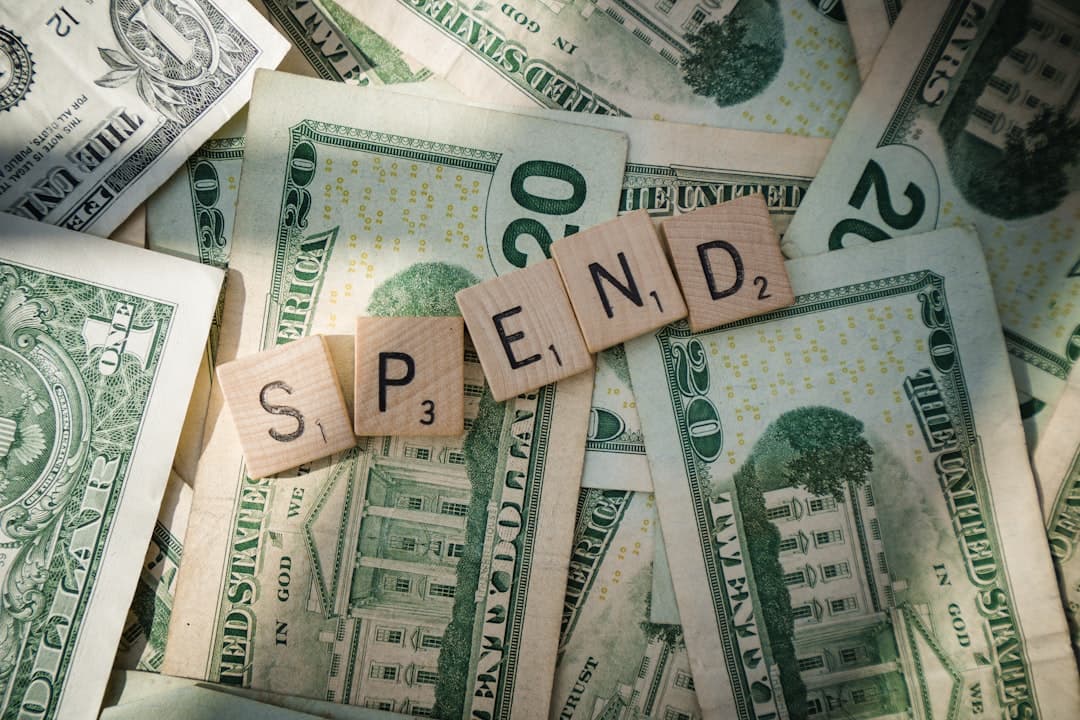
How to Stop Overspending: The Root Causes (And Practical Fixes)
If you've ever set a budget and blown it by week two, you already know that willpower isn't the answer. Budgets built on discipline alone almost always fail. Budgets built on good systems almost always hold.
Here's what actually causes overspending — and the changes that work.
Overspending Is a Systems Problem, Not a Willpower Problem
The personal finance industry loves to talk about willpower, discipline, and motivation. The implicit message: if you're overspending, it's a character flaw you need to overcome.
This is wrong, and it's why most budgeting advice doesn't work.
Overspending is caused by systems that make spending frictionless and saving invisible. When buying something requires one tap on your phone, spending feels effortless. When your savings balance is buried in a banking app you check once a month, saving has no emotional weight.
The fix isn't trying harder. The fix is changing the systems.
The 5 Most Common Spending Triggers
Understanding why you spend unplanned money is more useful than general rules about spending less.
Trigger 1: Boredom. Retail therapy and online browsing-to-buying are directly correlated with unstructured time. If you find yourself shopping most in the evenings or on weekends with nothing specific planned, boredom is probably a driver.
Trigger 2: Stress. Stress spending is real — the temporary relief of buying something during or after a stressful period is well-documented in behavioral economics. The problem is that it doesn't resolve the stress and adds financial stress on top.
Trigger 3: Social pressure. Dinners you didn't plan for because everyone else is going. Drinks after work that become a habit. Gifts that are more expensive than your budget because of perceived social expectations.
Trigger 4: "It's on sale." A discount is only a saving if you would have bought it at full price. Sale events, clearance sections, and "limited time" offers create urgency around purchases that wouldn't otherwise happen. The 30% off tag doesn't save you money if you weren't going to buy it anyway.
Trigger 5: Decision fatigue. By the evening, after dozens of small decisions throughout the day, your resistance to impulse spending is lower. Research shows people make worse financial decisions late in the day. This is why late-night online shopping is such a common regret.
Trigger 6: Digital advertising environments. Instagram, TikTok, and YouTube are algorithmically optimized to surface products relevant to your behavior. If you've browsed running shoes once, you'll see running shoe ads for weeks. The products shown aren't random — they're matched to your demonstrated interests at the moment your resistance is lowest. Recognizing this as a system (not a coincidence) helps create enough distance to question the purchase.
How Frictionless Payments Make Overspending Easier
Modern payments are specifically designed to minimize friction. Contactless cards, one-click checkout, Apple Pay, saved card details, auto-fill — every one of these innovations reduces the psychological pause between "I want this" and "I bought this."
That pause matters. Research shows that small delays in the purchase process reduce impulsive buying. The pain of payment — the moment of handing over cash or typing in a card number — serves a regulatory function that frictionless payment removes.
This is not an argument for going back to cash for everything. But it's useful context for why you might be spending more than you intended.
Audit: Where Does Your Money Actually Go?
Before trying to fix overspending, you need to know specifically where it's happening. "I spend too much" is not actionable. "I spent $340 on dining out last month against a $200 budget" is.
Use an expense tracker for 30 days without any changes to your behavior. Log everything honestly. At the end of the month, look at:
- Your 3 highest spending categories
- Categories where your actual spending was more than twice your mental estimate
- Any category that surprised you
This data is the foundation of every fix that comes next. Without it, you're guessing — and most people's guesses about their own spending are significantly optimistic. (If subscriptions keep appearing as a surprise, a dedicated subscription audit is worth 30 minutes of your time.) For recurring habits that don't feel significant individually, the habit cost calculator shows the true annual and 10-year cost — helpful for seeing a $7 daily habit as a $2,500/year line item.
With Expenly, the insights screen shows your top spending categories, biggest individual purchases, and daily spending trends without you having to calculate anything. One month of honest logging gives you the information most people spend years avoiding.
The "Pause and Log" Technique
One of the most effective behavioral changes for reducing impulse spending: log the expense before you buy, not after.
Before completing a purchase (especially online), open your expense tracker and record it as if you've already bought it. See it in your category total. Check your remaining budget.
This process — which takes about 15 seconds — forces a deliberate pause between the impulse and the purchase. For genuinely wanted items, you complete the purchase. For impulse buys driven by trigger 1–5 above, the act of pre-logging often kills the desire.
It sounds small. Try it for one week on any purchase above $30.
How Seeing Your Spending in Real Time Changes Behavior
Awareness is underrated as a behavioral intervention. Studies on energy consumption show that households who see their real-time electricity usage reduce consumption by 7–10% without any other intervention. Just awareness.
The same effect applies to spending. When you know your dining budget for the week is running low because you've been logging in real time, you make different choices — not because you're forcing yourself to, but because you have information at the moment of decision.
This is the core value of real-time expense tracking vs month-end bank statement review. By the time you see your statement, every decision is already made. Tracking as you go gives you the data when it can still change your behavior.
Expenly's home screen and lock screen widgets show your daily and monthly spending totals without opening the app. A quick glance before deciding on lunch tells you what you need to know.
Building a Budget You Can Actually Keep
Overspending is often the result of an unrealistic budget — one that was built on aspirations rather than real behavior.
Budget rules that help:
Build in discretionary spending deliberately. A budget with no dining out, no entertainment, and no personal spending is a budget you'll abandon. Build reasonable amounts for enjoyment or you'll blow it in ways that feel justified ("I'm not going to not go to my friend's birthday dinner").
Start tracking before you set budgets. One month of honest tracking before you set category limits means your budget is based on real data, not guesses. Most people set their dining budget at $150 and actually spend $320. Base it on reality, then reduce gradually. The daily budget calculator is a useful sanity check — it shows how much you have to spend per day after fixed bills and savings, which makes abstract monthly limits concrete.
Adjust quarterly, not monthly. Life changes every few months — seasons, events, income shifts. A budget that hasn't been touched in 8 months is usually wrong in multiple categories. Schedule a 20-minute budget review every three months.
Have one "no questions asked" spending category. Give yourself a monthly amount — even $50–$100 — that you can spend on anything without guilt or logging. This prevents the binary "I'm following the budget / I've blown the budget" mentality that kills consistency.

Free on the App Store
Expenly
Awareness is the first step to changing the pattern.

Also read: Budgeting for Beginners: The Only Guide You Need · How to Review Your Monthly Spending